

Welcome to the ultimate guide on Langtang Trek Difficulty. When travelers first arrive in Kathmandu, they are often overwhelmed by the logistics of mountain travel. That is exactly why MTA Trekking created this resource. We want to ensure that your understanding of Langtang Trek Difficulty is completely clear so you can focus on enjoying the majestic views.
Understanding the Logistics Behind Langtang Trek Difficulty
When dealing with Langtang Trek Difficulty, it is extremely important to prepare early. The trails in Nepal range from lush subtropical forests filled with rhododendron trees, all the way up to freezing, arid alpine deserts above 5,000 meters. This drastic change in elevation means your approach to Langtang Trek Difficulty needs to be adaptable. You will be walking for 5 to 7 hours a day, crossing suspension bridges over raging rivers, and sleeping in traditional stone tea houses. Planning for Langtang Trek Difficulty properly ensures that you won't be caught off guard by the changing environment.
One of the most common mistakes travelers make regarding Langtang Trek Difficulty is underestimating the physical toll of high altitude. The air becomes significantly thinner above 3,000 meters. Our guides at MTA Trekking are highly trained in wilderness first aid and carry pulse oximeters to monitor your oxygen levels. This ensures that your journey remains safe, and your concerns about Langtang Trek Difficulty are professionally managed. Altitude affects everyone differently, which is why taking Langtang Trek Difficulty seriously is the hallmark of a responsible trekker.
Another key factor of Langtang Trek Difficulty is the local culture. You will be walking through the ancestral homelands of the Sherpa, Tamang, and Gurung peoples. The trails are lined with ancient Buddhist monasteries, spinning prayer wheels, and colorful prayer flags fluttering in the wind. By understanding Langtang Trek Difficulty, you not only ensure your physical safety but also enrich your cultural experience in these remote villages. MTA Trekking always prioritizes culturally responsible travel, ensuring that your approach to Langtang Trek Difficulty respects the deep spiritual traditions of the Himalayas.
Furthermore, when looking at Langtang Trek Difficulty, you have to consider the seasonal weather windows. The best times to trek are generally the pre-monsoon (Spring: March to May) and post-monsoon (Autumn: September to November) seasons. During these months, the skies are crystal clear, offering unobstructed views of massive peaks like Mt. Everest, Annapurna, and Machapuchare. If you ignore the implications of Langtang Trek Difficulty and travel during the monsoon, you will face torrential rain, leeches, and muddy trails. This makes proper timing regarding Langtang Trek Difficulty absolutely critical for a good experience.
In conclusion for this section, the best way to handle Langtang Trek Difficulty is to book with a reputable local agency. MTA Trekking handles all your permits, domestic flights, accommodations, and meals. We take the stress out of Langtang Trek Difficulty so that you can simply put one foot in front of the other and take in the awe-inspiring scenery of the highest mountain range on Earth.
Understanding the Logistics Behind Langtang Trek Difficulty
When dealing with Langtang Trek Difficulty, it is extremely important to prepare early. The trails in Nepal range from lush subtropical forests filled with rhododendron trees, all the way up to freezing, arid alpine deserts above 5,000 meters. This drastic change in elevation means your approach to Langtang Trek Difficulty needs to be adaptable. You will be walking for 5 to 7 hours a day, crossing suspension bridges over raging rivers, and sleeping in traditional stone tea houses. Planning for Langtang Trek Difficulty properly ensures that you won't be caught off guard by the changing environment.
One of the most common mistakes travelers make regarding Langtang Trek Difficulty is underestimating the physical toll of high altitude. The air becomes significantly thinner above 3,000 meters. Our guides at MTA Trekking are highly trained in wilderness first aid and carry pulse oximeters to monitor your oxygen levels. This ensures that your journey remains safe, and your concerns about Langtang Trek Difficulty are professionally managed. Altitude affects everyone differently, which is why taking Langtang Trek Difficulty seriously is the hallmark of a responsible trekker.
For more geographical context on the region, you can read about the Lonely Planet Nepal Guide. However, reading about it online is nothing compared to seeing the massive icefalls and glaciers yourself!
Another key factor of Langtang Trek Difficulty is the local culture. You will be walking through the ancestral homelands of the Sherpa, Tamang, and Gurung peoples. The trails are lined with ancient Buddhist monasteries, spinning prayer wheels, and colorful prayer flags fluttering in the wind. By understanding Langtang Trek Difficulty, you not only ensure your physical safety but also enrich your cultural experience in these remote villages. MTA Trekking always prioritizes culturally responsible travel, ensuring that your approach to Langtang Trek Difficulty respects the deep spiritual traditions of the Himalayas.
Furthermore, when looking at Langtang Trek Difficulty, you have to consider the seasonal weather windows. The best times to trek are generally the pre-monsoon (Spring: March to May) and post-monsoon (Autumn: September to November) seasons. During these months, the skies are crystal clear, offering unobstructed views of massive peaks like Mt. Everest, Annapurna, and Machapuchare. If you ignore the implications of Langtang Trek Difficulty and travel during the monsoon, you will face torrential rain, leeches, and muddy trails. This makes proper timing regarding Langtang Trek Difficulty absolutely critical for a good experience.
In conclusion for this section, the best way to handle Langtang Trek Difficulty is to book with a reputable local agency. MTA Trekking handles all your permits, domestic flights, accommodations, and meals. We take the stress out of Langtang Trek Difficulty so that you can simply put one foot in front of the other and take in the awe-inspiring scenery of the highest mountain range on Earth.
Understanding the Logistics Behind Langtang Trek Difficulty
When dealing with Langtang Trek Difficulty, it is extremely important to prepare early. The trails in Nepal range from lush subtropical forests filled with rhododendron trees, all the way up to freezing, arid alpine deserts above 5,000 meters. This drastic change in elevation means your approach to Langtang Trek Difficulty needs to be adaptable. You will be walking for 5 to 7 hours a day, crossing suspension bridges over raging rivers, and sleeping in traditional stone tea houses. Planning for Langtang Trek Difficulty properly ensures that you won't be caught off guard by the changing environment.
One of the most common mistakes travelers make regarding Langtang Trek Difficulty is underestimating the physical toll of high altitude. The air becomes significantly thinner above 3,000 meters. Our guides at MTA Trekking are highly trained in wilderness first aid and carry pulse oximeters to monitor your oxygen levels. This ensures that your journey remains safe, and your concerns about Langtang Trek Difficulty are professionally managed. Altitude affects everyone differently, which is why taking Langtang Trek Difficulty seriously is the hallmark of a responsible trekker.
Another key factor of Langtang Trek Difficulty is the local culture. You will be walking through the ancestral homelands of the Sherpa, Tamang, and Gurung peoples. The trails are lined with ancient Buddhist monasteries, spinning prayer wheels, and colorful prayer flags fluttering in the wind. By understanding Langtang Trek Difficulty, you not only ensure your physical safety but also enrich your cultural experience in these remote villages. MTA Trekking always prioritizes culturally responsible travel, ensuring that your approach to Langtang Trek Difficulty respects the deep spiritual traditions of the Himalayas.
Furthermore, when looking at Langtang Trek Difficulty, you have to consider the seasonal weather windows. The best times to trek are generally the pre-monsoon (Spring: March to May) and post-monsoon (Autumn: September to November) seasons. During these months, the skies are crystal clear, offering unobstructed views of massive peaks like Mt. Everest, Annapurna, and Machapuchare. If you ignore the implications of Langtang Trek Difficulty and travel during the monsoon, you will face torrential rain, leeches, and muddy trails. This makes proper timing regarding Langtang Trek Difficulty absolutely critical for a good experience.
In conclusion for this section, the best way to handle Langtang Trek Difficulty is to book with a reputable local agency. MTA Trekking handles all your permits, domestic flights, accommodations, and meals. We take the stress out of Langtang Trek Difficulty so that you can simply put one foot in front of the other and take in the awe-inspiring scenery of the highest mountain range on Earth.
Understanding the Logistics Behind Langtang Trek Difficulty
When dealing with Langtang Trek Difficulty, it is extremely important to prepare early. The trails in Nepal range from lush subtropical forests filled with rhododendron trees, all the way up to freezing, arid alpine deserts above 5,000 meters. This drastic change in elevation means your approach to Langtang Trek Difficulty needs to be adaptable. You will be walking for 5 to 7 hours a day, crossing suspension bridges over raging rivers, and sleeping in traditional stone tea houses. Planning for Langtang Trek Difficulty properly ensures that you won't be caught off guard by the changing environment.
One of the most common mistakes travelers make regarding Langtang Trek Difficulty is underestimating the physical toll of high altitude. The air becomes significantly thinner above 3,000 meters. Our guides at MTA Trekking are highly trained in wilderness first aid and carry pulse oximeters to monitor your oxygen levels. This ensures that your journey remains safe, and your concerns about Langtang Trek Difficulty are professionally managed. Altitude affects everyone differently, which is why taking Langtang Trek Difficulty seriously is the hallmark of a responsible trekker.
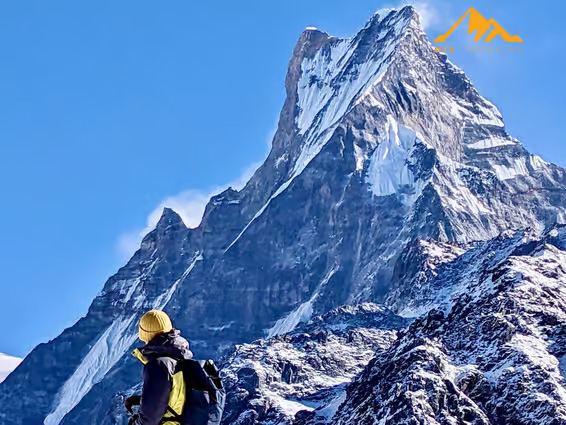
From Pokhara: 4-Day Mardi Himal Trek
Embark on an exhilarating 4-day journey to the iconic Mardi Himal Viewpoint, an ideal short trek for those craving a quick escape into the heart of the Annapurna Himalayas. This compressed itinerary offers a remarkable opportunity to witness the pristine beauty of the Annapurna range, including the majestic Machhapuchhre (Fishtail Mountain), Mardi Himal, and Himchuli, all within a thrilling four-day window. You'll traverse diverse landscapes, from lush rhododendron forests to rugged alpine terrain, making it an unforgettable adventure for trekkers with limited time. Designed for active individuals with a good level of fitness, this challenging trek packs incredible scenery and a significant altitude gain into a short period. The trail offers breathtaking panoramic views of snow-capped peaks, verdant valleys, and traditional Gurung villages, providing a unique cultural insight. Experience the tranquility of the Himalayas, the warmth of local hospitality, and the sheer majesty of nature on this compact yet profoundly rewarding Mardi Himal trek.
Starting from
$450
Another key factor of Langtang Trek Difficulty is the local culture. You will be walking through the ancestral homelands of the Sherpa, Tamang, and Gurung peoples. The trails are lined with ancient Buddhist monasteries, spinning prayer wheels, and colorful prayer flags fluttering in the wind. By understanding Langtang Trek Difficulty, you not only ensure your physical safety but also enrich your cultural experience in these remote villages. MTA Trekking always prioritizes culturally responsible travel, ensuring that your approach to Langtang Trek Difficulty respects the deep spiritual traditions of the Himalayas.
Furthermore, when looking at Langtang Trek Difficulty, you have to consider the seasonal weather windows. The best times to trek are generally the pre-monsoon (Spring: March to May) and post-monsoon (Autumn: September to November) seasons. During these months, the skies are crystal clear, offering unobstructed views of massive peaks like Mt. Everest, Annapurna, and Machapuchare. If you ignore the implications of Langtang Trek Difficulty and travel during the monsoon, you will face torrential rain, leeches, and muddy trails. This makes proper timing regarding Langtang Trek Difficulty absolutely critical for a good experience.
In conclusion for this section, the best way to handle Langtang Trek Difficulty is to book with a reputable local agency. MTA Trekking handles all your permits, domestic flights, accommodations, and meals. We take the stress out of Langtang Trek Difficulty so that you can simply put one foot in front of the other and take in the awe-inspiring scenery of the highest mountain range on Earth.
Understanding the Logistics Behind Langtang Trek Difficulty
When dealing with Langtang Trek Difficulty, it is extremely important to prepare early. The trails in Nepal range from lush subtropical forests filled with rhododendron trees, all the way up to freezing, arid alpine deserts above 5,000 meters. This drastic change in elevation means your approach to Langtang Trek Difficulty needs to be adaptable. You will be walking for 5 to 7 hours a day, crossing suspension bridges over raging rivers, and sleeping in traditional stone tea houses. Planning for Langtang Trek Difficulty properly ensures that you won't be caught off guard by the changing environment.
One of the most common mistakes travelers make regarding Langtang Trek Difficulty is underestimating the physical toll of high altitude. The air becomes significantly thinner above 3,000 meters. Our guides at MTA Trekking are highly trained in wilderness first aid and carry pulse oximeters to monitor your oxygen levels. This ensures that your journey remains safe, and your concerns about Langtang Trek Difficulty are professionally managed. Altitude affects everyone differently, which is why taking Langtang Trek Difficulty seriously is the hallmark of a responsible trekker.
Another key factor of Langtang Trek Difficulty is the local culture. You will be walking through the ancestral homelands of the Sherpa, Tamang, and Gurung peoples. The trails are lined with ancient Buddhist monasteries, spinning prayer wheels, and colorful prayer flags fluttering in the wind. By understanding Langtang Trek Difficulty, you not only ensure your physical safety but also enrich your cultural experience in these remote villages. MTA Trekking always prioritizes culturally responsible travel, ensuring that your approach to Langtang Trek Difficulty respects the deep spiritual traditions of the Himalayas.
Furthermore, when looking at Langtang Trek Difficulty, you have to consider the seasonal weather windows. The best times to trek are generally the pre-monsoon (Spring: March to May) and post-monsoon (Autumn: September to November) seasons. During these months, the skies are crystal clear, offering unobstructed views of massive peaks like Mt. Everest, Annapurna, and Machapuchare. If you ignore the implications of Langtang Trek Difficulty and travel during the monsoon, you will face torrential rain, leeches, and muddy trails. This makes proper timing regarding Langtang Trek Difficulty absolutely critical for a good experience.
In conclusion for this section, the best way to handle Langtang Trek Difficulty is to book with a reputable local agency. MTA Trekking handles all your permits, domestic flights, accommodations, and meals. We take the stress out of Langtang Trek Difficulty so that you can simply put one foot in front of the other and take in the awe-inspiring scenery of the highest mountain range on Earth.
Understanding the Logistics Behind Langtang Trek Difficulty
When dealing with Langtang Trek Difficulty, it is extremely important to prepare early. The trails in Nepal range from lush subtropical forests filled with rhododendron trees, all the way up to freezing, arid alpine deserts above 5,000 meters. This drastic change in elevation means your approach to Langtang Trek Difficulty needs to be adaptable. You will be walking for 5 to 7 hours a day, crossing suspension bridges over raging rivers, and sleeping in traditional stone tea houses. Planning for Langtang Trek Difficulty properly ensures that you won't be caught off guard by the changing environment.
One of the most common mistakes travelers make regarding Langtang Trek Difficulty is underestimating the physical toll of high altitude. The air becomes significantly thinner above 3,000 meters. Our guides at MTA Trekking are highly trained in wilderness first aid and carry pulse oximeters to monitor your oxygen levels. This ensures that your journey remains safe, and your concerns about Langtang Trek Difficulty are professionally managed. Altitude affects everyone differently, which is why taking Langtang Trek Difficulty seriously is the hallmark of a responsible trekker.
Another key factor of Langtang Trek Difficulty is the local culture. You will be walking through the ancestral homelands of the Sherpa, Tamang, and Gurung peoples. The trails are lined with ancient Buddhist monasteries, spinning prayer wheels, and colorful prayer flags fluttering in the wind. By understanding Langtang Trek Difficulty, you not only ensure your physical safety but also enrich your cultural experience in these remote villages. MTA Trekking always prioritizes culturally responsible travel, ensuring that your approach to Langtang Trek Difficulty respects the deep spiritual traditions of the Himalayas.
Furthermore, when looking at Langtang Trek Difficulty, you have to consider the seasonal weather windows. The best times to trek are generally the pre-monsoon (Spring: March to May) and post-monsoon (Autumn: September to November) seasons. During these months, the skies are crystal clear, offering unobstructed views of massive peaks like Mt. Everest, Annapurna, and Machapuchare. If you ignore the implications of Langtang Trek Difficulty and travel during the monsoon, you will face torrential rain, leeches, and muddy trails. This makes proper timing regarding Langtang Trek Difficulty absolutely critical for a good experience.
In conclusion for this section, the best way to handle Langtang Trek Difficulty is to book with a reputable local agency. MTA Trekking handles all your permits, domestic flights, accommodations, and meals. We take the stress out of Langtang Trek Difficulty so that you can simply put one foot in front of the other and take in the awe-inspiring scenery of the highest mountain range on Earth.
Understanding the Logistics Behind Langtang Trek Difficulty
When dealing with Langtang Trek Difficulty, it is extremely important to prepare early. The trails in Nepal range from lush subtropical forests filled with rhododendron trees, all the way up to freezing, arid alpine deserts above 5,000 meters. This drastic change in elevation means your approach to Langtang Trek Difficulty needs to be adaptable. You will be walking for 5 to 7 hours a day, crossing suspension bridges over raging rivers, and sleeping in traditional stone tea houses. Planning for Langtang Trek Difficulty properly ensures that you won't be caught off guard by the changing environment.
One of the most common mistakes travelers make regarding Langtang Trek Difficulty is underestimating the physical toll of high altitude. The air becomes significantly thinner above 3,000 meters. Our guides at MTA Trekking are highly trained in wilderness first aid and carry pulse oximeters to monitor your oxygen levels. This ensures that your journey remains safe, and your concerns about Langtang Trek Difficulty are professionally managed. Altitude affects everyone differently, which is why taking Langtang Trek Difficulty seriously is the hallmark of a responsible trekker.
Another key factor of Langtang Trek Difficulty is the local culture. You will be walking through the ancestral homelands of the Sherpa, Tamang, and Gurung peoples. The trails are lined with ancient Buddhist monasteries, spinning prayer wheels, and colorful prayer flags fluttering in the wind. By understanding Langtang Trek Difficulty, you not only ensure your physical safety but also enrich your cultural experience in these remote villages. MTA Trekking always prioritizes culturally responsible travel, ensuring that your approach to Langtang Trek Difficulty respects the deep spiritual traditions of the Himalayas.
Furthermore, when looking at Langtang Trek Difficulty, you have to consider the seasonal weather windows. The best times to trek are generally the pre-monsoon (Spring: March to May) and post-monsoon (Autumn: September to November) seasons. During these months, the skies are crystal clear, offering unobstructed views of massive peaks like Mt. Everest, Annapurna, and Machapuchare. If you ignore the implications of Langtang Trek Difficulty and travel during the monsoon, you will face torrential rain, leeches, and muddy trails. This makes proper timing regarding Langtang Trek Difficulty absolutely critical for a good experience.
In conclusion for this section, the best way to handle Langtang Trek Difficulty is to book with a reputable local agency. MTA Trekking handles all your permits, domestic flights, accommodations, and meals. We take the stress out of Langtang Trek Difficulty so that you can simply put one foot in front of the other and take in the awe-inspiring scenery of the highest mountain range on Earth.
Understanding the Logistics Behind Langtang Trek Difficulty
When dealing with Langtang Trek Difficulty, it is extremely important to prepare early. The trails in Nepal range from lush subtropical forests filled with rhododendron trees, all the way up to freezing, arid alpine deserts above 5,000 meters. This drastic change in elevation means your approach to Langtang Trek Difficulty needs to be adaptable. You will be walking for 5 to 7 hours a day, crossing suspension bridges over raging rivers, and sleeping in traditional stone tea houses. Planning for Langtang Trek Difficulty properly ensures that you won't be caught off guard by the changing environment.
One of the most common mistakes travelers make regarding Langtang Trek Difficulty is underestimating the physical toll of high altitude. The air becomes significantly thinner above 3,000 meters. Our guides at MTA Trekking are highly trained in wilderness first aid and carry pulse oximeters to monitor your oxygen levels. This ensures that your journey remains safe, and your concerns about Langtang Trek Difficulty are professionally managed. Altitude affects everyone differently, which is why taking Langtang Trek Difficulty seriously is the hallmark of a responsible trekker.
Another key factor of Langtang Trek Difficulty is the local culture. You will be walking through the ancestral homelands of the Sherpa, Tamang, and Gurung peoples. The trails are lined with ancient Buddhist monasteries, spinning prayer wheels, and colorful prayer flags fluttering in the wind. By understanding Langtang Trek Difficulty, you not only ensure your physical safety but also enrich your cultural experience in these remote villages. MTA Trekking always prioritizes culturally responsible travel, ensuring that your approach to Langtang Trek Difficulty respects the deep spiritual traditions of the Himalayas.
Furthermore, when looking at Langtang Trek Difficulty, you have to consider the seasonal weather windows. The best times to trek are generally the pre-monsoon (Spring: March to May) and post-monsoon (Autumn: September to November) seasons. During these months, the skies are crystal clear, offering unobstructed views of massive peaks like Mt. Everest, Annapurna, and Machapuchare. If you ignore the implications of Langtang Trek Difficulty and travel during the monsoon, you will face torrential rain, leeches, and muddy trails. This makes proper timing regarding Langtang Trek Difficulty absolutely critical for a good experience.
In conclusion for this section, the best way to handle Langtang Trek Difficulty is to book with a reputable local agency. MTA Trekking handles all your permits, domestic flights, accommodations, and meals. We take the stress out of Langtang Trek Difficulty so that you can simply put one foot in front of the other and take in the awe-inspiring scenery of the highest mountain range on Earth.